9 Kings looks like a strategy game and plays like a card game wearing strategy clothes. The whole loop fits in one sentence: place cards, fight one auto-battle per year, pick one of three cards, repeat until you die or hit year 100. Everything else in this guide is detail hanging off that sentence.
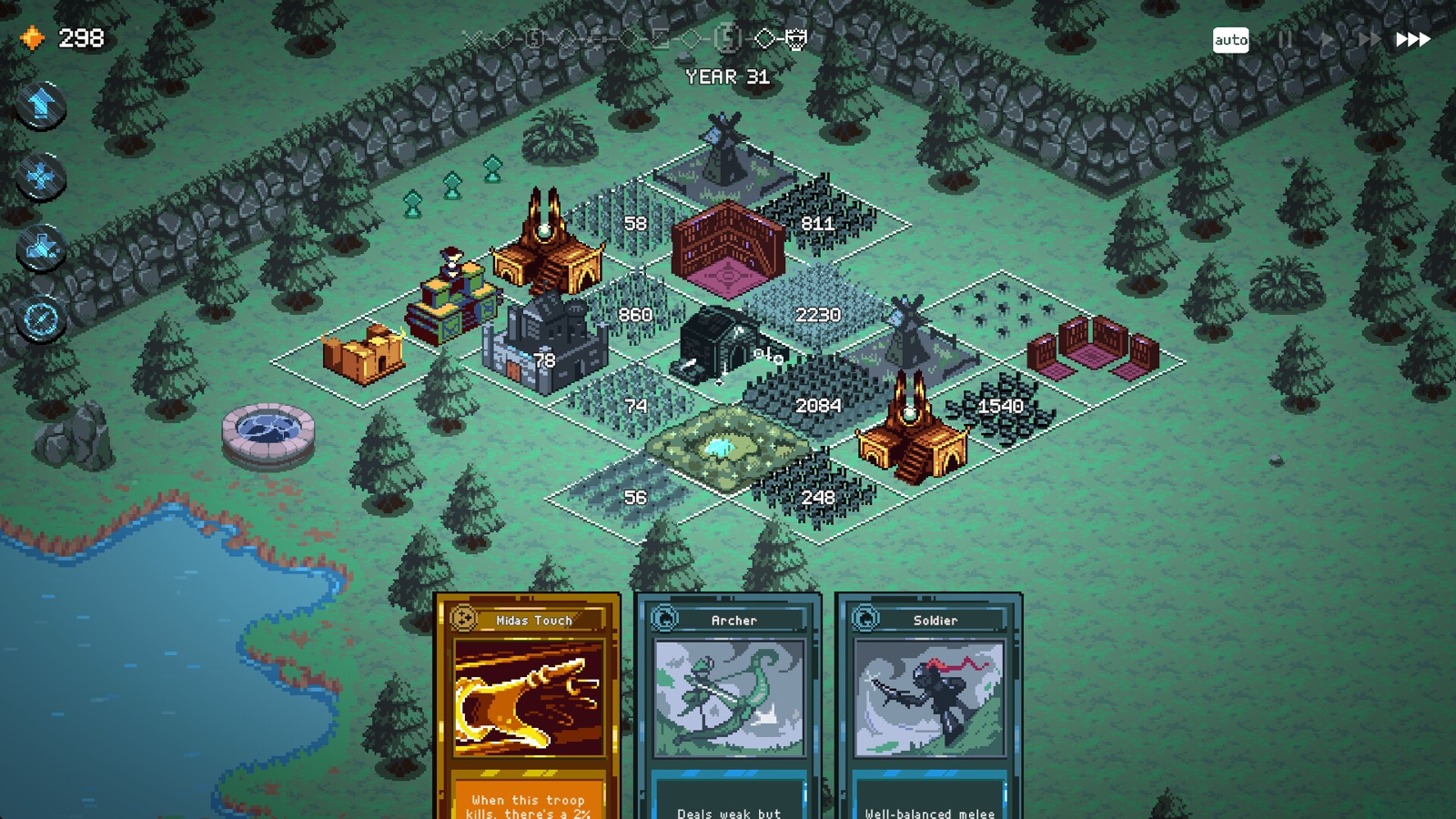
The rhythm of a year
One year equals one turn, and each year has the same shape:
- Placement. You put cards from your hand onto your kingdom's plots. The board is small on purpose: nine plots, one of which holds your base, and one base is all you get per run.
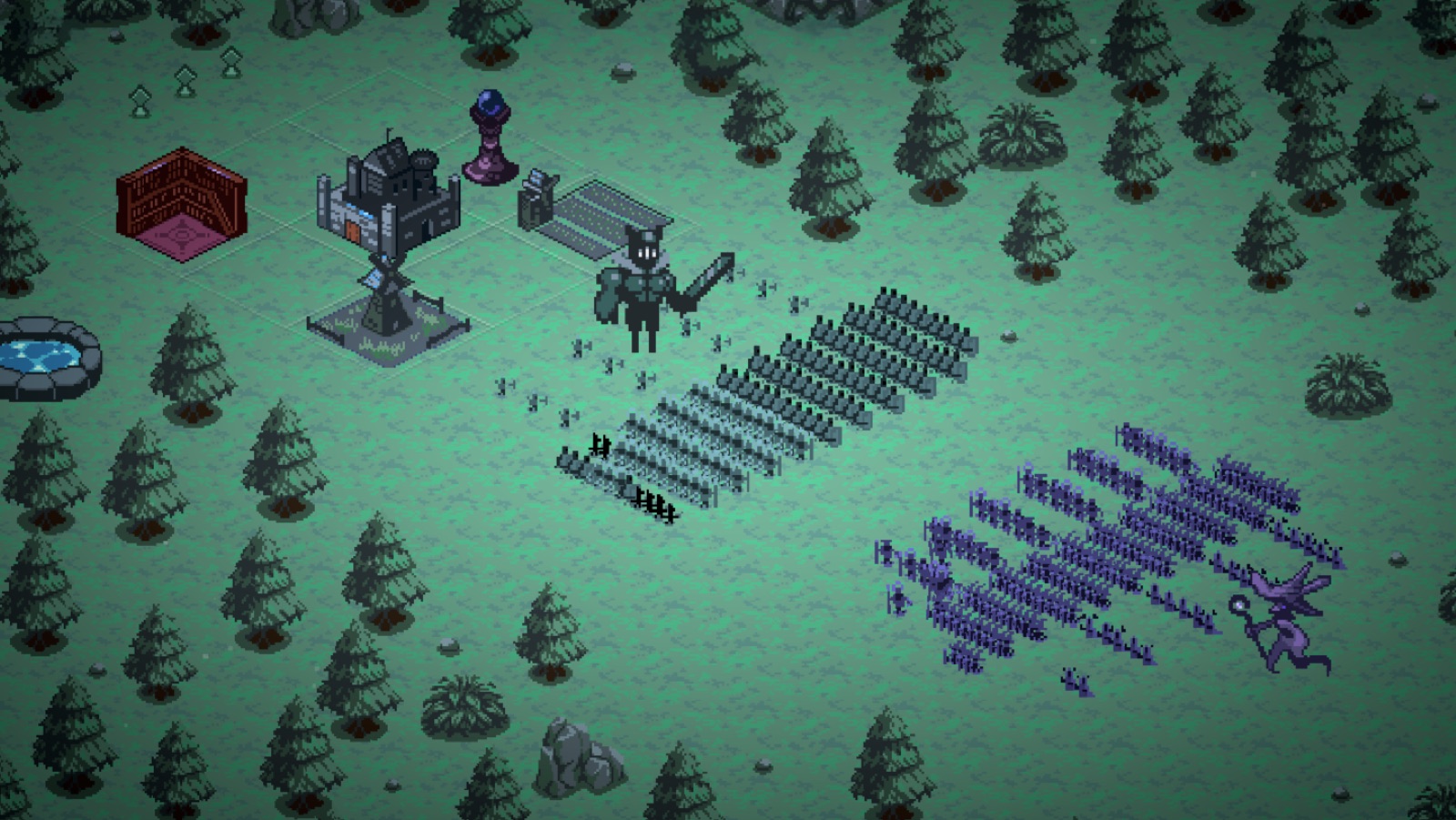
- Battle. Enemy troops march in and the fight resolves itself. You do not aim, click or micro-manage. 9 Kings is an auto-battler; your job happened during placement.
- The pick. After the battle, three cards appear and you take exactly one. Win the fight and one of the three may come from the king you just beat; lose, and you choose from your own deck instead.
- The yearly effects. Buildings tick their bonuses, units grow, and the next year's enemy arrives stronger.
Same-name cards stack and level up to level 3, and your base levels too, with its cap extendable through perks. That leveling race, more than any single card, is what keeps a kingdom alive into the late years.
Where the pressure comes from
Enemies scale year over year, and the game has built-in spikes: year 33 brings a battle against The Angel, and from year 34 onward the endless chaos deck starts knocking. Runs that feel comfortable in year 15 can fall apart in year 40, which is why the difficulty ladder matters: it is not just a menu setting, it is a promise about how fast the curve steepens.
The cards you feed the engine come in six types, from troops to towers to your base itself, and each of the nine kings starts with a different nine-card deck built around one idea. The king you pick decides what your placement phase is even about.
War, peace and stolen decks
Who you fight is a decision, not just a sequence. The official store description puts it plainly: you can loot rival kings who attack your lands to get cards from their unique decks, and you can make peace with kings whose units do not fit your playstyle while declaring war on the ones holding cards you covet. In practice that makes the map a drafting tool: war on the Blood king is how demon cards enter your deck, and peace with the Greed king keeps his gold cards out of your picks.
Two consequences follow from that one mechanic. First, deck filtering is strategic: peace treaties keep the three-card pick clean, which matters because you take exactly one card per year. Second, no deck is permanently locked away: every king's cards can end up in your kingdom if you fight the right wars, which is where the store page's promise of "countless combinations of stacking buffs and modifiers" comes from.
After the tutorial decades: the modes
The main runs are only the skeleton. Around them Sad Socket has added:
- Quest mode: a world map of 81 challenges, nine per kingdom, unlocked by winning one main run. It starts you off as the King of Nothing.
- Endless mode: exactly what it sounds like, with the chaos deck taking over where the normal curve ends.
- Async multiplayer: nine real players' kingdoms fight across seasons, with an ELO ladder, nine ranks and cosmetic rewards.
All of those arrived during Early Access, which is the quiet story of this game: a tight launch loop plus a year of heavy updates. The release date page tracks that timeline.
FAQ
Is 9 Kings a tower defense game?
Not really, though towers exist as a card type. It is closer to a roguelike deckbuilder with auto-battles: you plan during placement, and the fight plays itself.
How long is one run?
Runs are measured in game decades. A typical kingdom lives somewhere between 20 and 70 in-game years depending on your skill and the difficulty; losing earlier is normal, and winning means reaching very high years.
Do I play against other people?
Only if you want to. The core game is single player, and the multiplayer is asynchronous: you never sit in a lobby, you just defend against other players' setups over the course of a season.